Human Design gate
Human Design Gate 2: Receptive Ground
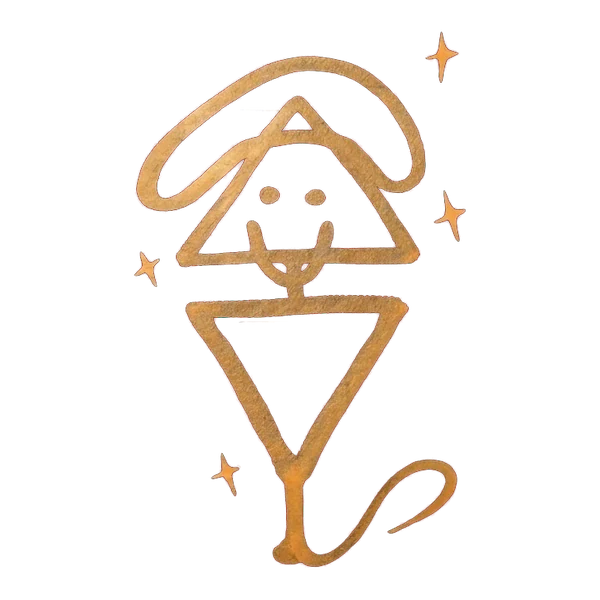
Gate 2 is one of the eight gates in the G center in Human Design, and Twelve Houses calls it Receptive Ground. It sits at 13°15′ to 18°53′ Taurus and connects to gate 14 in the Sacral through channel 2-14.
What gate 2 is
In plain EnglishGate 2 is the quiet sense of where things should go and who should be steering.
Human Design is a 1987 system, not science, and it chops the zodiac into 64 gate-sized wedges. Gate 2 occupies 13°15′ to 18°53′ Taurus, and the system seats it in the G center, the part it links with identity and where you are headed.
Twelve Houses calls it Receptive Ground. Think of a soft field that keeps whatever shape gets pressed into it. People with this gate often know the route before anyone has drawn it, and they know it without making a speech about it.
When gate 2 is defined
In plain EnglishIf gate 2 is lit for you, you carry a built-in compass that does not depend on your mood or the crowd.
Gate 2 can be lit by either of two charts layered together: the sky at the minute you were born (the black marks) and the sky about 88 days earlier (the red marks). The system says the red layer behaves like a habit you never think to describe.
Take a Tuesday at work. The planning meeting has drifted for twenty minutes, and you say, “the van should leave from the other side.” The room relaxes, because that was the missing piece. With friends, weekend trips quietly organize themselves around your hunches, and nobody notices that they do.
The gift is orientation that costs you no effort. The trap is manners. You wait to be asked, a worse route wins the vote, and you ride the whole way knowing you were right.
When gate 2 is open
In plain EnglishWith gate 2 empty, you borrow a heading from whoever is walking in front.
That does not make you a bad map reader. The system says an open gate 2 takes on the bearing of the person steering, so you can feel certain in one crowd and adrift in another. A move to a new city can leave you without a compass for a few months.
The gift is range. You fit into many kinds of plans, and you can see what each leader is aiming at. The trap is mistaking their direction for yours. Ask where you would go if nobody were watching, then see which answers survive a change of company.
The six lines of gate 2
In plain EnglishThe line number tells you how your compass tends to behave: quietly, stubbornly, or from far away.
Teachers would fight over these six for an evening. Consider ours a field guide, not a rulebook.
- Line 1: The listener. You sense direction by soaking up the details of a place or group before you say a word.
- Line 2: The one who just knows. The answer shows up without study, and you struggle to explain how you got there.
- Line 3: The detour taker. You find the right way by trying wrong ones, and every wrong turn gets filed away for later.
- Line 4: The network guide. Your sense of direction works best when you stay close to a few trusted people and check in often.
- Line 5: The designated navigator. Others hand you the map before you volunteered, and expectations grow fast.
- Line 6: The one who watches the road. You may hang back for years, then speak with calm certainty about where things are heading.
Channel 2-14 and gate 14
In plain EnglishA single channel carries gate 2’s sense of heading over to the Sacral, where the stamina lives.
Channel 2-14 runs from gate 2 in the G center to gate 14 in the Sacral. The standard label is The Beat, and our name for it is Direction Engine. The picture is a heading that comes with fuel: you stay late on the project that feels like yours and drag through the one that does not.
If both gates are active in your chart, the channel is defined, and the G center has a steady power supply. Friends lean on you to keep a group pointed somewhere, and you can do it for a long stretch without burning out on a task you believe in.
If only gate 2 is active, you hold the sense of direction without a built-in engine. You may know exactly where things should go and still wait for a push to start. In either case the trap is the same: you carry everyone’s plans while your own stays vague.
The G center around it
In plain EnglishBeside the compass-bearer in Taurus sit seven more gates of the G center, and each one handles its own piece of the identity puzzle, from love to direction to self-image.
Gates 1, 7, 10, 13, 15, 25 and 46 are the rest of the set. Put gate 1 next to gate 2 and you get a maker beside a placer: one creates the object, the other knows which shelf it belongs on. The G center page walks through all eight.
When the Sun is in gate 2
In plain EnglishEarly May babies, this one may be yours.
Gate 2 holds the Sun from about May 3 to May 9 in 2027, while the Taurus fields are turning green. Anyone born in that week has it as their conscious Sun gate, the black-side headline of the chart. We list the dates in UTC, so your own time zone can move you across the edge by a day. Your full gate list is one form away in the Human Design chart tool.
- Personality (conscious)
- Design (unconscious)
Where gate 2 sits
0 of 9 centers defined, 0 channels, 1 gates. Tap a center to read about it.
- Head, open
- Ajna, open
- Throat, open
- G center, open
- Heart, open
- Spleen, open
- Solar Plexus, open
- Sacral, open
- Root, open
For entertainment and self-reflection.
Questions people ask
- What does gate 2 mean in Human Design?
- It is the gate the system ties to a quiet sense of direction. In plain terms, it describes the person who knows where the van should leave from and who should be driving it.
- Which gate does gate 2 connect to?
- Gate 2 connects to gate 14 in the Sacral through channel 2-14, called The Beat. When both gates are active in a chart, the G center is wired to steady working energy, so a sense of heading comes with fuel.
- When is the Sun in gate 2?
- In 2027 the Sun passes through gate 2 from about May 3 to May 9. People born in that window have gate 2 active on the conscious, black side of their chart.
For entertainment and self-reflection.